
On March 23rd, our Carling Adult Day Program (ADP) attendees were delighted to be joined by a handful of Canadian comedians in town for the annual Carefor Crack-Up Comedy Festival. From the minute the comedians entered the building, there was an overwhelming buzz of laughter and feeling of joy.
The visit began with a game of bean bag toss with the likes of Mary Walsh, Big Daddy Tazz, and Lisa Baker. As the visit continued, the Adult Day Program attendees participated in a game of comedy-themed Jeopardy, led by Big Daddy Tazz. The ADP clients went head-to-head against comics Mary Walsh, David Brennen, Fiona O’Brien and Lisa Baker answering questions about comedy TV shows, movies, and comedians from their younger days! The day program attendees got the better of the comics being quick to answer questions about the Mary Tyler Moore Show, The Odd Couple, and even about guest Mary Walsh. Following Jeopardy, the group sat down for lunch, and spent some time getting to know their special guests, sharing stories about their families and lives.
Between the genuine conversations, sporadic bursting into song, telling jokes and laughing, there was no time to feel anything other than happy. Amazing to see our attendees get to have this experience. Special thanks to Mary Walsh, David Brennan, Big Daddy Tazz, Fiona O’Brien and Lisa Baker for taking the time to come out and spark so much joy.
As the COVID-19 pandemic continues to impact many programs in our communities, essential services like Meal Deliveries continue to keep isolated seniors safe, connected and healthy.
Lilian Sayant, 95, has been receiving meals for over a decade since losing her husband. When cooking meals became too difficult, our Meal Deliveries team started delivering home-cooked meals to her and have since become something like an extended family.
Ontario’s order to ‘stay at home’ in response to COVID-19 have been particularly tough for seniors like Lilian: “I haven’t been out of the building in a month now. You stay in your own apartment. I moved here because of all the social activities and now it’s all cancelled,” she shares.
Until such orders are lifted, Lilian looks forward to her meal deliveries and the opportunity to connect with someone each day from the outside world. “Someone phones me from the Carefor Nor-Dun Support Centre every morning to check on my well-being. It’s very nice, and you know they care,” she says. “They’ll knock at my door and step back to the other side of the hallway to maintain distance and set the meal on my little stool out in the hallway next to my door.”
Although Lilian isn’t able to have that face-to-face interaction, staff are striving to reduce that sense of isolation while still providing an essential service to the client.
Lilian admits social distancing from loved ones has been hard, but reminds us, “we’re all in this together.”
“You see a lot in 95 years. The world has changed. I remember the Great Depression and that was hard times. We will get through this.”
In 2018-2019 alone, nearly 55,000 meals were delivered to more than 2,000 clients across Eastern Ontario. To learn more about Meal Deliveries in Eastern Counties, click here. If you’d like to support seniors who need it the most during this time of crisis, donate here.
 Many people decide to volunteer with Carefor as a means of staying active and passing time in their retirement. However, sometimes volunteers find themselves needing Carefor’s services. Paul was one of those people.
Paul MacMillan and his late wife June have shared their laughter with the North Dundas community since 2007. New to the area at the time, Paul and June decided to start volunteering delivering meals to seniors living in South Mountain and began attending the social and congregate activities offered in South Mountain by the Carefor Nor-Dun Support Centre. Paul explained, “It was a good way to meet our neighbours and help out in the community. We met many folks and made lifelong friends as a result.”
The couple continued volunteering until June was diagnosed with cancer, and sadly passed away in 2017. Although Paul stayed in their home, delivering meals and attending the congregate and social activities became a means of breaking up his days. Paul shared, “I’ve made a lot of friendships over the years. These programs are a nice way to meet people and it gets you out of the house. It’s nice getting to learn how others are doing in their retirement.”
Shortly thereafter, Paul began to experience his own health challenges and made the decision to move into a small suite attached to his family’s home on a horse farm closer to Winchester. This decision allowed Paul to remain independent and enjoy having his family close by.
Now, Paul uses the Meal Delivery program along with other Carefor services like footcare and social activities to keep active and healthy. The centre’s cooks make sure he has well-balanced meals while being mindful of Paul’s dietary restrictions. Paul explained, “I am so appreciative the staff who make the meals, and of the friendly faces and caring volunteers that have delivered the meals to my doorstep. You can’t get a better meal in town!”
Caroline Rooney, the support centre Supervisor shared, “We love seeing Paul and other seniors at the centre – he always has a great sense of humour and a story to share with you. We can’t wait till we can welcome everyone back like the good old days. It will bring so much enjoyment to us all.”
Monique has been receiving personal support care in the community from Elizabeth (Liz) for about 3 years now. With the help of Liz, Monique says “It makes my life a whole lot easier knowing that she is there to help me for an hour and half each day.”
Without the vital help of PSW’s, individuals in the community would have a much harder time completing daily tasks. “Her being here has greatly increased my quality of life,” says Monique “I don’t have to worry about falling, I don’t have to worry about injuring myself when Liz is around.”
The relationship between a worker and client is very special, “We get along more like sisters than like client and PSW,” says Monique a comment that her mother often makes. It gives peace of mind, for her family knowing that “Liz is there to help when they can’t.”
To learn more about Personal Support Services and how it can meet the needs of you or your loved ones click here or contact info@carefor.ca
When Butch Gratton was admitted to Carefor Hospice Cornwall four years ago, his family was told he would likely last only a few days. “He lasted four months,” says his wife, Judy. “That’s how amazing it is here.” “He plateaued with the amount of care,” says his daughter, Kim “and from that we got four months with him we wouldn’t have had at home.”
While the philosophy of care in palliative care may shift away from healing, the client remains at its centre. “There’s a level of dignity my dad was given when he was here,” says Kim. “He didn’t just die here; he became part of the place and they showed him great respect even in his final minutes.”
When working people who are palliative the focus shifts to quality of life. Staff understand that residents and families are going through a process while at Hospice that involves coming to terms with their situation, while doing everything they can to embrace these final moments as well as possible. The meaning of simple acts like being able to go home for a day become so much more meaningful for residents and families, and when appropriate and possible, Hospice staff work with families to make these acts possible.
“One thing he really liked was the fireworks,” says Judy. “And he got to see the fireworks before he died.” “They weren’t quite sure he’d be able to go,” says Kim. “One of the nursing staff said I’m off work tonight and I’ll go to make sure you’re okay. Right there. That’s Hospice.”
To donate to Hospice Cornwall, please visit https://carefor.ca/donate.
To learn more about Hospice Cornwall, click here or contact infoeasterncounties@carefor.ca.
With Father’s Day having just passed, we find ourselves thinking about fathers, their caregivers, families, and loved ones.
Daniele is a husband and a father. He and his wife, Erin met in Florence, Italy in 2002 while Erin was studying there. She returned to Canada in 2005, and Daniele joined her in 2006. They got married and started their family here; originally thinking they would make their way back to Italy, but ultimately stayed here so their children could have more opportunities.
Several years ago, Erin noticed that Daniele was not acting like himself. He would forget where he put day to day items, forget basic tasks, he also disengaged emotionally, and expressed very little interest in his wife and children. At this point, Erin was concerned so she contacted his doctor, who ended up blaming it on stress. This progressed for a few more years, to the point that they went back to the doctor insisting that there was something more that was wrong. The doctors and specialist ended up ordering several brain scans, tests and examinations, with the results ultimately ended up pointing to Dementia, and then Alzheimer’s.
One main effect that the Dementia has on Daniele and his family, is the disconnect between he and the family. Unfortunately the Dementia has led Daniele to lose his memories of his two younger children. He likes that they live in the house with the family, knows that they are Erin’s children but does not understand that he is their father as well. He has begun to depend heavily on his oldest son Niccolo, whom he does remember. While he is sceptical of the rest of the family at times, Niccolo is able to calm his anxieties and lift his spirits when needed.
Although the relationship between Daniele and his family has changed dramatically, they still find moments to appreciate each other and the time they have together; even if it’s just dancing around in the living room. Even though the familial roles are different now, Daniele is still a husband and father and the love in the family is still strong.
It’s estimated that 1 in 4 Canadian seniors are living with mental health. Carefor’s unique local mental health support group, the Let’s Get Together (LGT) Club, gives participants the opportunity to socialize, develop friendships, and engage in leisure, education and wellness activities in a safe, structured and supportive setting.
That said, the program is more than just a day to connect with others, it’s a lifeline for the near 50 seniors that use the community support service every week.
For Helen Arendt, this program at Carefor’s Carling office means the world. She attends the program once a week, and has been a member for over a year: “As soon as I walked in the door, I thought this is where I belong.”
Press on the video below to see just how much of an impact the LGT Club has has on the lives of seniors, like Helen.
For Let’s Get Together (LGT) Club participants who depend on connection, laughter, and group activities, Carefor’s Day Program is their lifeline. When our Carling Day Program location had to shut down in-person visits last year, this weekly mental health support group was faced with a difficult reality.
Before the pandemic, the building was referred to as the ‘Fun House’, where seniors living with mental health would get together, staff and peers helping them pull through some of the most difficult periods of their lives. It gave participants an opportunity to socialize, develop friendships, and engage in leisure, education, and wellness activities in a safe, structured, and supportive environment.
“I live alone and suffer from depression and anxiety. Not having face-to-face interactions has been very hard for not only me, but for everyone here,” Rachel said. She has been a LGT client for more than two years and can’t rave enough about how the program has positively impacted her life.
Carefor is one of the few places these individuals visit and the people they meet at the program are one of the few faces they see. “Many of our clients live in isolation in good times, so during the pandemic they’ve been feeling more isolated than ever,” Program Staff Joanne Peach said.
And while the fun never ended, it just changed with the circumstances. The quick transition to phone or virtual meetings was another lifeline for dozens of participants who rely on our external support systems.
“It has been wonderful; they’ve helped me a lot through these times,” Rachel said.
Now after a year and a half apart, some members of the group have been given the opportunity to reconnect. Last Wednesday was the first time a small group of LGT Club members were welcomed back to safely engage in the things they love to do most as a group. It was also a great day because the ice cream truck rolled around, and they had a chance to enjoy some delicious treats!
While staff would love to bring back everyone and to resume operations like normal, they’re grateful to be able to reconnect safely in the meantime. “It’s great to have them all back and hear the sound of their laughter again in this building,” Carefor Day Program staff shared in unison.
Carefor’s Day Programs need support now more than ever. You can make a lasting difference in the lives of many by making a gift today.
The true power of our communities is often put to the test during times like these. In Pembroke-Renfrew County (PRC), the community has proven time and time again that it’s through togetherness that we can get through anything.
In a continued effort to help vulnerable members of the community stay safe at home during COVID-19, Carefor PRC partnered with Hyska’s Your Independent Grocers in Petawawa to help make grocery shopping safe and easy for the community’s vulnerable seniors.
With their help, Carefor facilitates grocery deliveries once a week to clients in the area. “Every Friday we deliver orders with the help of wonderful grocery store staff and our dedicated and reliable Carefor staff drivers,” says Janna Wood, CSS Program Supervisor. “During the height of the pandemic, we were able to boost this delivery service to three times a week. This service allows clients to receive their groceries in a safe manner as a result of excellent collaboration and a strong sense of community.”
For those who are able to leave their homes, this program offers them an opportunity to safely shop for groceries. Carefor driver, Larry Graham, is the catalyst in making that happen. He explains that they have social distancing and safety precautions in place for those who would like the opportunity to shop for their own items. He drives clients to the store, where they’re then able to choose their own items before returning safely to their homes.
This initiative demonstrates how quickly partnerships can form and adapt to supporting the most vulnerable in our communities, especially during a time of need.
Valerie Hyska, owner of Hyska’s Independent Grocers, considers seniors a valuable part of her business as well as her community. “Our senior customers have supported our business over many years. In the spirit of great customer service and community giving, we are more than happy to participate in this partnership with Carefor. Providing a safe method of shopping and delivery for our seniors is also very fulfilling for us. Now more than ever, the need for this type of service has come to light, and we are happy to help where we can.”
Learn more about services offered in Carefor Pembroke-Renfrew County by visiting carefor.ca.
A marriage is a partnership for life. All the good and all the bad. Micheline and Fernard have had a good life, traveling the world, having adventures. There has been a lot of good.
Two years ago at 85 years old, Fern fell fracturing his ribs and a vertebrae. While he was recovering in the hospital he was treated by a geriatric specialist who diagnosed him with dementia. Since being discharged, life has been very different for the two of them. Now living in an apartment in the East End of Ottawa they are receiving support from Carefor personal support workers (PSWs), three mornings and four evenings per week.
In that time, Fern’s dementia has accelerated causing him to become more dependent on Micheline and her on the PSWs for support. “He thinks that (the PSWs) stay too long, but for me it’s too short”, says Micheline. Her attention is now devoted to making sure he doesn’t fall, that he is fed, that he is safe. They have gone from eating and living in synch to two people on different rhythms, one reliant on the other. “I’m stuck. I have much less independence. I had friends, but I have to think about him all the time…This is why PSWs like Elisabeth are so important,” she says. “I can go out for coffee. I need that. I need some time off.”
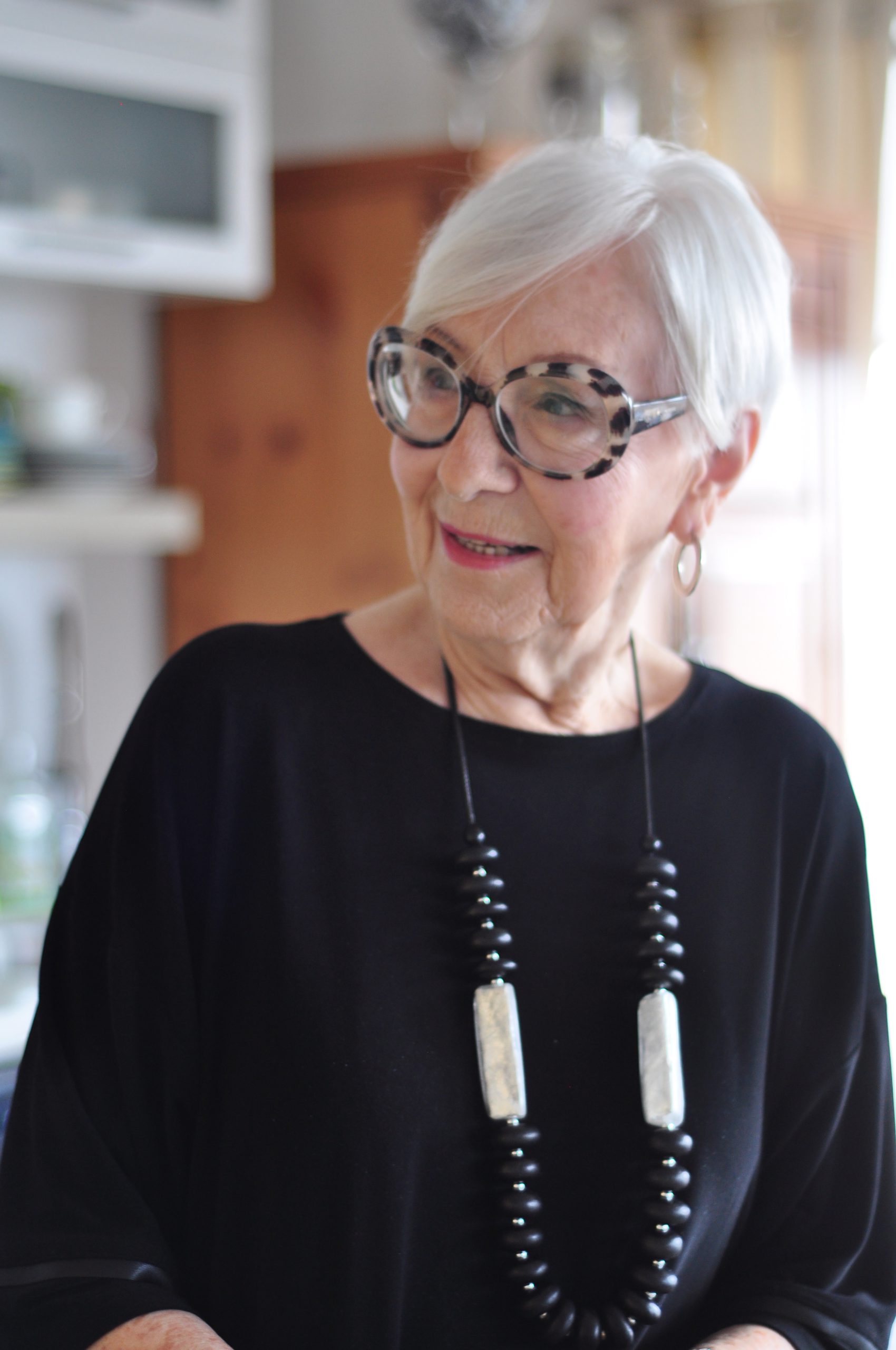
Micheline’s reality is that of many caregivers of people living with dementia. The love is there, but the person the love is for has changed, causing the relationship dynamic to change. What was once a partnership has become a relationship of dependence with Micheline’s attention changing from the world around her to her husband. She has to monitor him while doing simple tasks and admits to getting frustrated when he does things so differently than he used to. “I have to remind myself, it’s not him. It’s the dementia.”
Although Carefor’s personal support workers come to their house and work with Fern, so much of their work is in support of Micheline, allowing her a moment to reconnect with herself and her own life. It’s these moments that are a lifeline to caregivers that allow them to return home with a fuller tank, ready to continue to care for their loved ones. “I can go out and know that he’s safe and not going to fall. (The PSWs) really take care of us. They’re out of this world.”
So much of the challenge that comes with being the caregiver for someone living with dementia is acceptance of a new reality – remembering the past without being bound by it; not feeling like what you had is what you’re supposed to always have. “He was a brilliant man,” remembers Micheline. “He was a whiz with computers, but now he doesn’t understand what the internet is.”
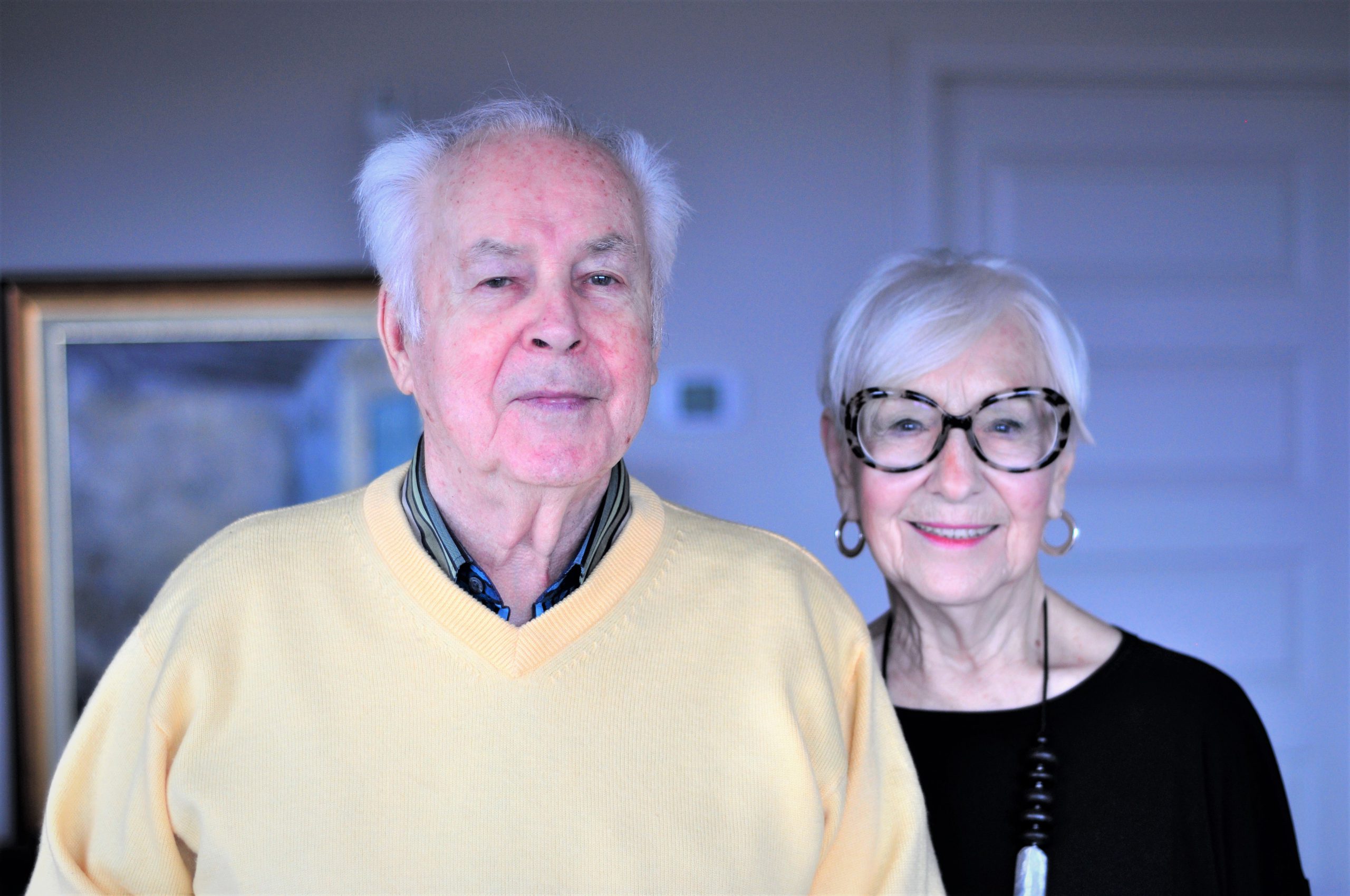
It is obvious that Micheline struggles with what the past two years have given her, but she also accepts it. “It’s hard not to share my life with him like I used to. I know he’s not going to get better,” she resigns. But follows with, “I’m as happy as much as I can be. I accept it.”
When dementia visits upon someone, it visits upon a family. It requires relationships to change. Those who do well with these changes are those that accept them and find the beauty in the moments they have. They might come with decreasing frequency, but they are there. One thing that makes them easier to spot is a break to change your perspective.
Carefor’s PSWs offer that break. They give caregivers and loved ones a moment to fill their cup, to take care of themselves and return ready to keep giving. Carefor may be contracted by the Local Health Integrated Network to support people living with dementia, but we know to do that we must support their caregivers – so they can keep finding the good in their lives.
If you are interested in receiving personal support services, call 613-749-7557 or contact info@carefor.ca.
"*" indicates required fields