
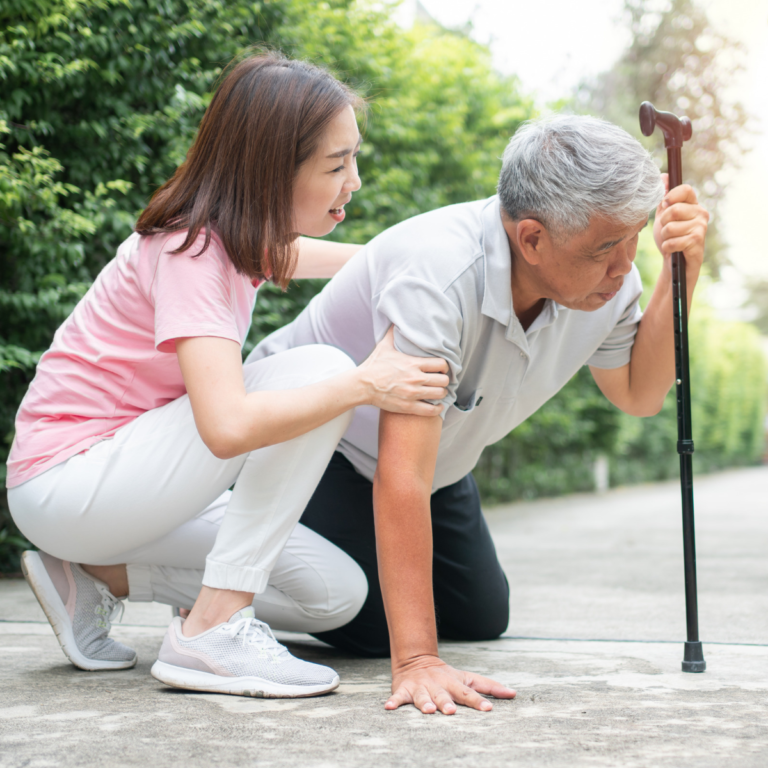
Falls Prevention Month is an important reminder that while falls are common among older adults, they are not an inevitable part of aging. In fact, many falls can be prevented through a few simple lifestyle changes. Taking steps today can help you maintain your independence, confidence, and quality of life for years to come.
Here are the three most effective things you can do to reduce your risk of falling.
1. Stay Active and Build Your Strength
One of the biggest risk factors for falls is muscle weakness and poor balance. As we age, we naturally lose muscle mass, making everyday activities more challenging. Regular exercise can help maintain strength, improve stability, and reduce the likelihood of a fall.
Try this: Sit-to-Stand Exercises. Sit in a sturdy chair with your feet flat on the floor. Without using your hands if possible, stand up and then slowly sit back down. Repeat 10 times. This simple exercise strengthens the muscles in your legs and hips that are essential for everyday activities like getting out of a chair, bed, or car.
2. Make Your Home Safer
Many falls happen at home because of hazards that are easy to overlook. Taking a few simple steps to improve safety can significantly reduce your risk.
Try this: Install a grab bar in your shower or beside your bathtub. Bathrooms are one of the most common places for slips and falls because of wet, slippery surfaces. A securely mounted grab bar provides extra support when stepping in and out of the tub or shower.
3. Keep Up with Health Checkups
Your overall health plays a major role in fall prevention. Changes in vision, hearing, balance, and medication use can all increase the risk of falling.
Try this: Schedule an annual medication review with your doctor or pharmacist. Some medications, or combinations of medications, can cause dizziness, drowsiness, or low blood pressure. A medication review can identify potential issues and reduce your risk of a fall.
Bonus Tip: Wear Proper Footwear
What you wear on your feet matters more than many people realize.
Try this: Choose shoes with non-slip soles and a secure fit, even when you’re indoors. Avoid walking around the house in socks or loose-fitting slippers, which can increase your risk of slipping.
These small actions may seem simple, but together they can make a meaningful difference in helping older adults stay safe, active, and independent during Falls Prevention Month and throughout the year