
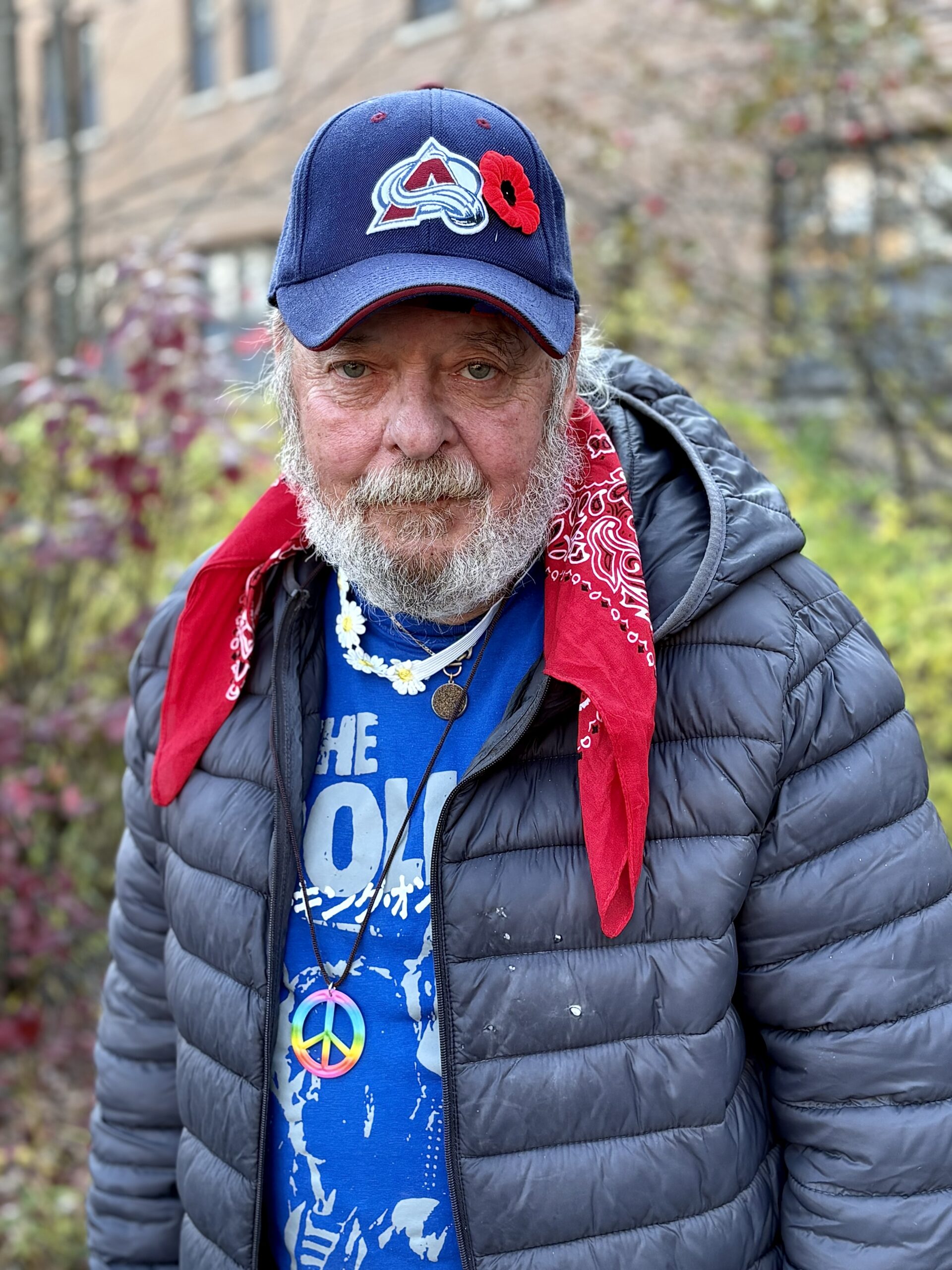
Brian sits quietly in a chair near the window at Carefor Civic Complex in Pembroke, watching the seasons change over the Ottawa Valley he has called home for all of his 71 years. The river, the trees, the familiar streets of town all carry memories. Some are good. Others are the kind he has spent a lifetime trying not to revisit.
Like many veterans of his generation, Brian learned early that talking about what happened in uniform was not encouraged.
“You were told to take those problems home,” he says. “You had to soldier on.”
For decades, that simple phrase defined military culture for countless Canadians. Men and women were expected to push through hardship, suppress trauma, and continue serving regardless of the emotional toll. Today, many of those same individuals are seniors living in communities like Pembroke and throughout Renfrew County, carrying wounds that are invisible but no less real than physical injuries.
Brian is one of them.
Born and raised in the Pembroke area, he joined the military as a young man at the recommendation of his friends who had joined. “They said you get a good pension,” Brian recalls. “But I didn’t expect to see what I did.”
Brian served for five years at Canadian Forces Base Petawawa. During that time, he was deployed to Bosnia during the conflict that tore apart the former Yugoslavia in the 1990s. It was an experience that changed him forever, the trauma locked in his mind.
We won’t talk about what he witnessed.
What he will say is that the effects followed him home.
Military service was already part of Brian’s family history long before he enlisted. His father served during the Second World War and stormed Juno Beach during the D-Day invasion.
As a boy, Brian remembers listening to stories from the war. One story in particular stayed with him. His father described seeing tanks hit and soldiers trapped inside, burned alive.
“I didn’t want to hear any more after that,” Brian recalls.
Years later, he would come to understand that war leaves its mark not only on those who fight it, but also on the lives they lead afterward.
For many veterans, the battle does not end when service is over.
Brian left the military after five years, before earning a pension. Unlike career service members who receive military retirement benefits, he returned to civilian life with little financial security and no long-term support system.
He worked wherever he could find employment.
There was factory work. Installing carpets. Building mobile homes.
The jobs paid the bills, but life was far from stable.
In the 1990s, his health began to deteriorate. He started experiencing seizures. For years they occurred with frightening regularity, sometimes every two weeks. The episodes became a constant source of anxiety and uncertainty.
At the same time, he struggled with relationships. Several ended badly, costing him financially and emotionally. One setback led to another until the weight of everything became overwhelming.
There was a point when Brian did not believe he could continue.
Fighting back tears, he recalls a day in the 1990s when he attempted to take his own life.
His father intervened.
Finding his son in crisis, he took him to a doctor, who referred Brian to The Royal in Ottawa. He remained there for four months receiving treatment and support.
Looking back, he knows that decision saved his life.
Yet like many people living with PTSD, recovery was never something that happened all at once. It became a lifelong process of managing symptoms, coping with memories, and learning how to move forward.
The challenges did not disappear with age.
In some ways, they became harder.
Retirement often brings increased isolation for older adults, especially those who live alone or have limited family support. For veterans struggling with trauma, loneliness can amplify existing mental health challenges.
Brian knows that feeling well.
“I have a hard time being around people,” he says. “Making friends is hard. It gets to be lonely.”
Today, Brian has no immediate family nearby. Financially, things remain difficult. His pension barely covers his rent. A modest payment from his late brother’s widow, who serves as power of attorney for his father’s estate, helps cover some monthly expenses, but there is little left over.
Every dollar matters.
Every unexpected cost creates stress.
His circumstances highlight an often-overlooked reality in military communities like Pembroke and Renfrew County. While many veterans receive pensions and benefits, others who served shorter periods may not qualify for the same level of support. Yet the impact of their service can remain every bit as significant.
The trauma does not distinguish between those who served five years and those who served thirty.
The memories remain.
The emotional injuries remain.
The need for care remains.
For Brian, finding stability finally came through Carefor.
Four years ago, he moved into Carefor Civic Complex Retirement Home. The change came after years of uncertainty, including a frightening incident at a previous residence on Elizabeth Street where a neighbour stole money from him and later attacked him with a screwdriver.
The experience left him feeling vulnerable.
At Civic Complex, he found something he had not experienced in a long time: safety.
He also found support.
Today, staff help him manage the health issues that have accumulated over the years, including epilepsy and diabetes. The nurses, he says, are exceptional.
“It’s a safe and stable place to live,” he says simply.
Those words may sound ordinary, but for someone who spent years moving between hardships, stability is anything but ordinary.
It is peace of mind.
It is dignity.
It is knowing help is available when it is needed.
Most importantly, it is a community.
As Canadians gather each November to honour veterans, Brian always wears a poppy. Despite the challenges he faced during and after his military service, he has never lost his respect for those who served.
Whenever Remembrance Day ceremonies appear on television, he finds himself emotional.
“I tear up,” he says. “Because I know what a lot of those guys have been through. I know what they’re still going through and the sacrifices they made. That they’re still making.”
His words are a reminder that military service does not end when a uniform comes off.
The effects can last a lifetime.
Across Pembroke, Petawawa and Renfrew County, there are countless seniors with similar stories. They served their country during a period when mental health struggles were rarely discussed and often dismissed. They were told to be tough, to keep going, to soldier on.
Many did exactly that.
Now, decades later, they are growing older.
Some have strong family supports. Others do not. Some have pensions and resources. Others struggle to cover basic living expenses. Many continue to live with PTSD, depression, anxiety, or other long-term consequences of military service.
As a community, we proudly celebrate their contributions. We attend ceremonies. We wear poppies. We thank them for their service.
But gratitude must also be practical.
It must mean ensuring veterans have access to safe housing, healthcare, mental health supports and social connections as they age.
It must mean recognizing that not every sacrifice made in service is visible.
And it must mean ensuring that people like Brian are never left to carry those burdens alone.
For Brian, the future remains uncertain in many ways. Yet each day at Carefor Civic Complex brings something he spent years searching for: security, care, and a place to belong.
After a lifetime spent soldiering on, that may be one of the greatest gifts a community can provide.