
For many people, dementia feels like an unavoidable part of aging. While age remains the greatest risk factor, researchers are learning that dementia is not simply a matter of genetics or luck. In fact, growing evidence suggests there are meaningful steps we can take to reduce our risk and support brain health throughout life.
A major 2024 report from The Lancet Commission on Dementia Prevention, Intervention and Care found that nearly half of dementia cases worldwide could potentially be delayed or prevented by addressing modifiable risk factors.
So what does that mean in practice?
One of the most significant findings involves hearing health. Untreated hearing loss has emerged as one of the largest modifiable risk factors for dementia. Researchers believe that hearing difficulties may increase cognitive strain and contribute to social withdrawal, both of which can affect brain health over time. Regular hearing assessments and the use of hearing aids when recommended may help people stay engaged and connected.
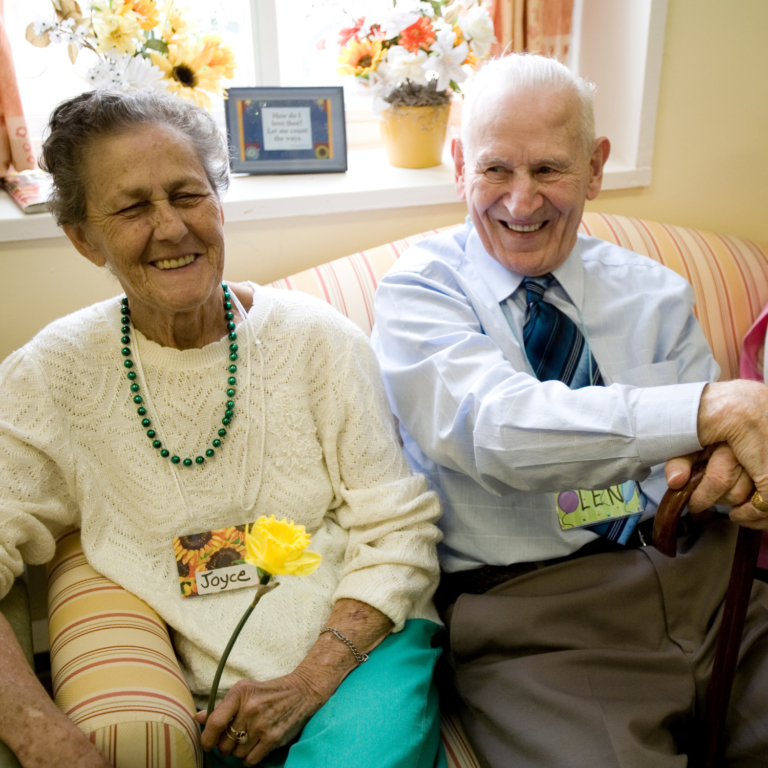
The research also highlights the importance of social connections. Loneliness and social isolation are associated with an increased risk of cognitive decline. Staying connected through community activities, volunteering, family relationships, and social programs can provide valuable stimulation for the brain and improve overall wellbeing.
Another encouraging finding is that what benefits the heart often benefits the brain. Managing blood pressure, maintaining healthy cholesterol levels, staying physically active, and controlling diabetes can all contribute to lower dementia risk. The 2024 Lancet report added high LDL cholesterol as a newly recognized risk factor, reinforcing the connection between cardiovascular health and brain health.
Researchers also emphasize the value of lifelong learning and mental stimulation. While there is no evidence that crossword puzzles alone can prevent dementia, challenging the brain through learning new skills, trying new activities, and engaging with others may help build what experts call “cognitive reserve”—the brain’s ability to adapt and remain resilient as we age.
The most important takeaway is this: there is no guaranteed way to prevent dementia, but there are many ways to support brain health. Small, consistent actions—staying active, connected, engaged, and attentive to hearing and heart health—can make a meaningful difference.
For women living with dementia who may benefit from a supportive, specialized environment, Carefor Richmond Care Home is a unique 16-unit retirement home located just 15 minutes from Kanata in West Ottawa. Designed exclusively for women living with dementia, it provides personalized care in a warm, home-like setting. Learn more at www.carefor.ca/richmondcarehome.